
EGL Canada Gemstone Certification OverviewEGL Canada issues independent, science-based certificates that verify gemstone identity, treatments, quality parameters and claimed origin for trade, insurance and consumer confidence. The mandate emphasizes objective grading, transparent disclosure of treatments, and secure handling from submission to report delivery to protect retailers, wholesalers, insurers and private buyers. History and accreditation contextEGL traces its roots to established European gemological practices and operates its Canadian services with laboratories staffed by experienced gemologists. Services are delivered according to recognized international standards and laboratory protocols, including practices aligned with ISO/IEC 17025 where applicable, and with adherence to consumer protection rules under Canadian trade law. Accreditation and periodic proficiency testing ensure methods remain current and comparable with major international laboratories. Scope of gemstone services and covered materialsServices include identification, full grading, treatment detection, origin inference, and documentation suitable for retail sales, inventory control and insurance. Covered materials span diamonds, sapphires, rubies, emeralds, alexandrite, tanzanite, rubellite, spinel, opal, turquoise, jade, and a broad range of colored gemstones and ornamental minerals. Services are structured for single items, parcels and mounted jewelry. Standards and grading criteria used Grading follows industry-accepted scales for cut, color, clarity and carat. Diamond grading references conventional D–Z color scales and GIA-style clarity terms. Colored gemstone color assessment relies on descriptive hue, tone and saturation metrics supported by calibrated lighting and reference sets. Clarity grading for colored stones documents the nature, size and location of inclusions with standardized photographs. Submission eligibility, documentation and preparationEligibility requires lawful ownership and legal export/import compliance. Required documentation typically includes proof of purchase, prior certificates if available, government-issued photo identification for walk-in submissions, and completed submission form describing claimed origin, treatments and mounting state. Jewelry should be clean and free of adhesives. Loose stones need secure, labeled containers. Fragile materials must be immobilized. Before sending samples, confirm current service catalog and packaging instructions on the official EGL Canada site. Shipments lacking provenance or required forms may be held until documentation is complete. Inspection, measurement and analytical protocolsPhysical inspection begins with visual and microscopic examination to verify identity and detect surface modifications. Weight verification uses calibrated balances to 0.01 ct for most gemstones and to 0.001 ct for smaller diamonds. Dimensional measurement employs optical calipers and imaging. Below is a compact overview of common analytical methods, capabilities and typical detection sensitivity that supports grading decisions. Data reflect standard laboratory practices used in Canada.
Analytical workflows combine methods to reach conclusive results. Independent replication is used for ambiguous cases. Inclusion analysis, origin inference and treatment disclosure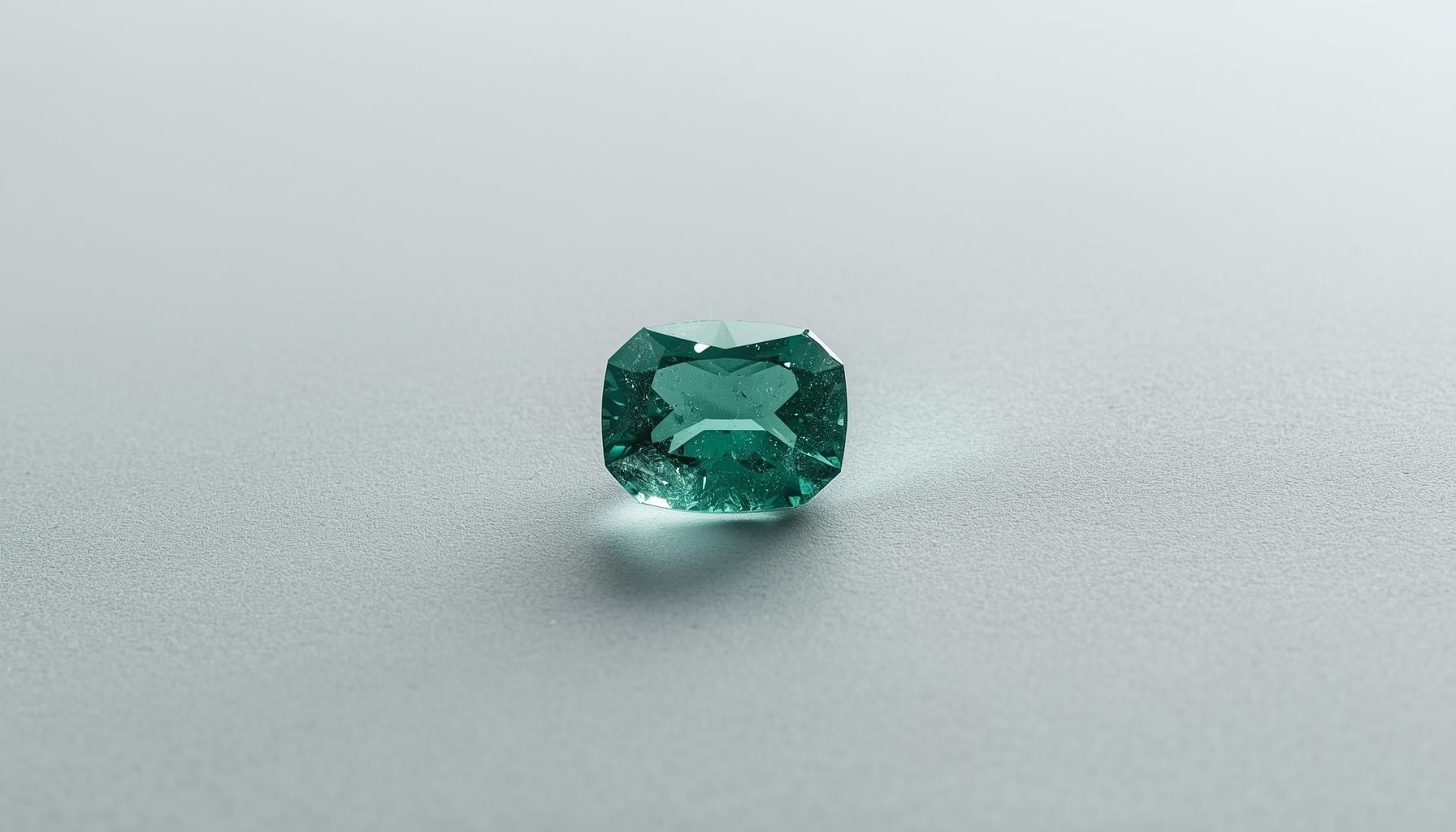
Inclusion morphology, mineral content and trace-element patterns are used to infer geographic origin for some materials, notably sapphire, ruby and emerald. Origin statements are reported as probable or consistent with a region when data support that conclusion. Treatment detection emphasizes disclosure of heating, fracture filling, coating, diffusion and irradiation. Reports specify type of treatment, detection method, and any limitations. Reporting format and interpreting the certificateCertificates include item description, measured weight and dimensions, technical results for color, clarity and cut, declared treatments, origin statements when applicable, and photographs. A unique report number and tamper-evident security features or online verification code link the physical item to the record. Reading the certificate requires attention to columns that show measured values, grading comments and any limitations or reservations the laboratory notes. Turnaround, fees and service options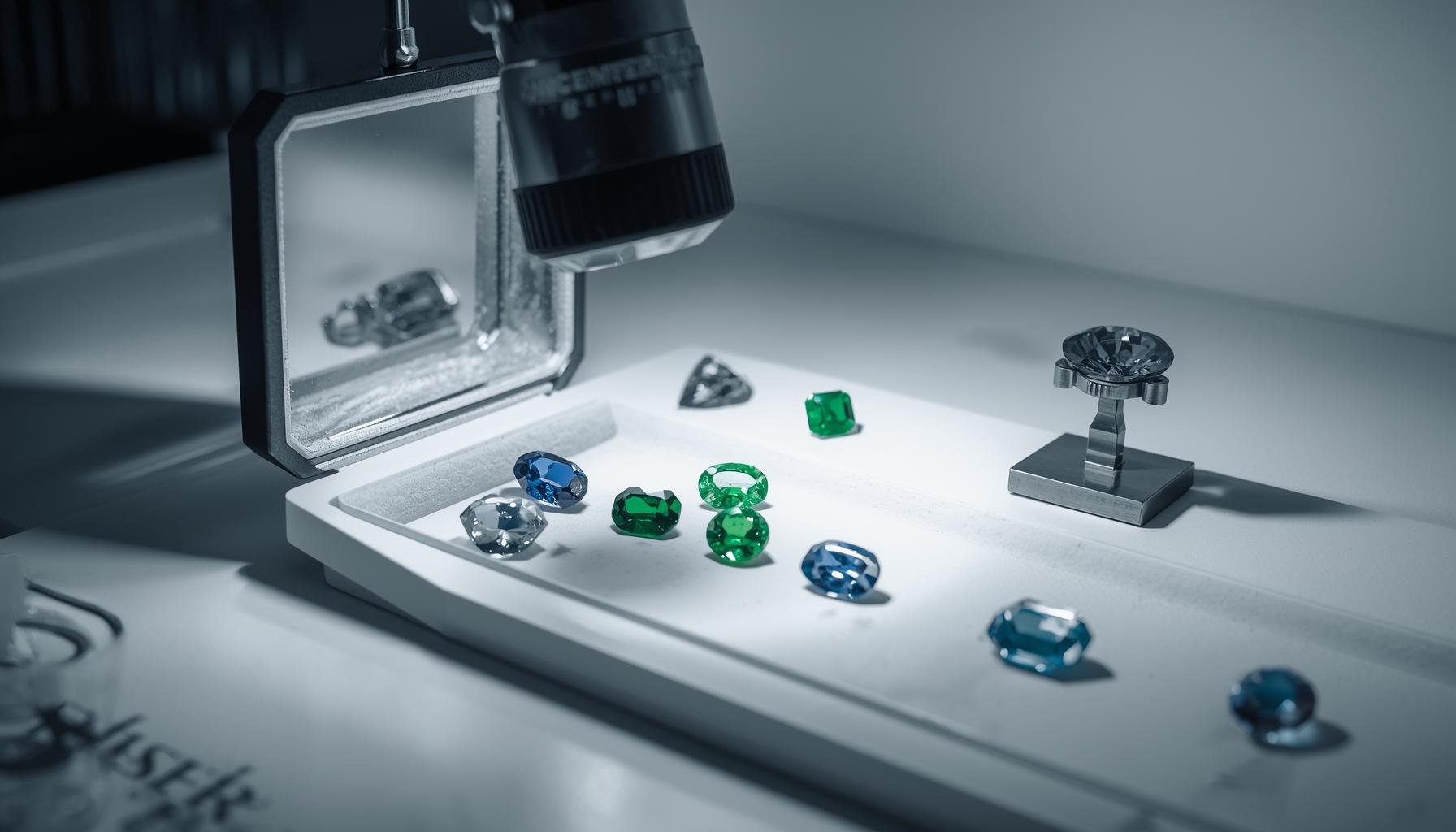
Standard turnaround typically ranges from 7 to 14 business days depending on workload and service chosen. Express options are frequently available with 24–72 hour delivery for an additional fee. Fee ranges depend on gemstone type and service level; approximate ranges for single items often start from under CAD 50 for basic identification to several hundred CAD for full reports on diamonds and rare colored stones. Accepted payment methods include major credit cards, bank transfer and certified cheque. Refund policies cover cases of cancellation before testing begins and are governed by terms posted at submission. Shipping, custody and securityShipments must follow insured courier channels with a declared value and tracking. Chain of custody protocols log each handoff, and secure storage is used while samples are on site. Sample tracking numbers allow submitters to monitor status online. Laboratories implement restricted-access vaults, CCTV monitoring and two-person handling for high-value items. Quality assurance, disputes and trade integrationInternal quality control includes blind rechecks, peer review and periodic proficiency testing against reference labs. Regrading or corrections follow documented procedures and can be requested within specified timeframes with supporting evidence. Certificates are designed to be compatible with retail appraisals and insurance valuations; appraisers use EGL Canada results as a technical backbone for replacement cost assessments. Recognition in international trade depends on buyer acceptance; certificates facilitate cross-border transactions when accompanied by export documentation. Practical recommendations, FAQ and contact pointersRetailers and wholesalers are advised to submit representative parcels for bulk verification, maintain original invoices for provenance, and use certificates in listings to increase buyer trust. Consumers should request full reports for high-value purchases and seek express testing before major transactions when time allows. For detailed submission addresses, current operating hours and the official submission form, consult the EGL Canada contact page or designated regional submission centers listed online. Customer support channels provide verification of certificate numbers and assistance with claims or re-evaluation requests. |
Informative Articles
"European Gemological Laboratory Defines SI3"
Adding the SI3 clarity grade to the grading system was
the next logical step.
'The Scoop on synthetics'
Can we ID them? Should we grade them? Do we need
them?
'Cultured Confusion'
Should a man-made diamond be called "synthetic", or
"cultured" and who are the important players in this controversial addition to the diamond
industry?
"A Gemological Study of A Collection of Chameleon
Diamonds"
The rarity of chameleon diamonds and their interest
for the connoisseur are due to their unusual ability to change color temporarily when heated to
about 150C, or after prolonged storage in the dark.
"Interpreting Diamond Morphology" - Part I
A diamond's morphological features reflect conditions
of diamond formation and represent a unique characteristic than can be used to identify details
of the sources of diamonds.
"Interpreting Diamond Morphology" - Part II
Morphological features reflect conditions both during
diamond formation and also after emplacement, especially where alluvials are concerned.
|


